The Six Phases of Marathon Training
Focus on one aspect of training at a time to run your next marathon faster.
This post was written by Coach Chris Knighton.
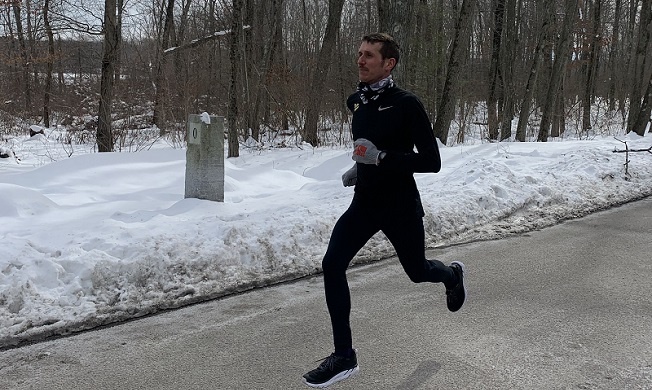
There are six phases of marathon training. In each phase, you will focus on one specific aspect of training. This allows you to improve significantly in one area before moving on to the next. Following these six phases in order can help you build the endurance, speed, race-specific fitness, and confidence needed to perform your best in your next marathon.
Quick Answer: What Are the Six Phases of Marathon Training?
- Base Building Phase
- Speed Development Phase
- Race-Specific Quality Phase
- Tapering for Peak Performance
- Race Day Performance
- Post-Race Recovery
Each phase emphasizes a different aspect of marathon preparation. By progressing through them in order, you can build the endurance, speed, marathon-specific fitness, recovery, and confidence needed to perform your best on race day.
If you want help applying these phases to your own training, learn more about my 1:1 online running coaching, where your training evolves based on your fitness, goals, schedule, and response to each phase.
Phase 1 – Base Building
The first phase of marathon training focuses on building mileage and establishing a sustainable weekly framework for your training.
The appropriate mileage, number of running days, and length of each phase will vary based on the runner’s experience, goals, injury history, available training time, and response to training.
Develop sustainable habits now that you can maintain and build upon in the challenging months ahead. Depending on your experience and goals, this may include gradually increasing the number of days you run each week, building your mileage, incorporating supplemental strength training, and making time for recovery and self-care.
Your running during this phase will consist almost entirely of easy, conversational-pace mileage. Avoid turning your everyday runs into races. The goal is to gradually build the aerobic fitness and durability that will allow you to handle more demanding training later in the cycle.
In the later stages of the base building phase, you may begin adding short strides or hill sprints once or twice per week to prepare your body for faster running in the next phase.
The base building phase will often last approximately 4 to 8 weeks and can be extended when more time is available before race-specific marathon training begins.
Learn more about the base building phase.
Phase 2 – Speed Development
The second phase of marathon training focuses on improving your racing speed and running economy.
Your weekly mileage and the length of your long runs may continue to increase during this phase, while faster workouts become a more important part of the training week.
An example speed workout during this phase might be 5 x 1000m at approximately 5K-10K effort with a 400m jog recovery. Tempo runs completed during this phase may also be shorter and faster than goal marathon pace.
The specific marathon training paces you emphasize will change throughout the training cycle, but during this phase you will focus on the faster end of the pace spectrum.
The speed development phase will often last approximately 4 to 6 weeks.
Learn more about the speed development phase.
Phase 3 – Race-Specific Quality
The third phase of marathon training focuses on preparing your body for the specific demands of the marathon.
Your weekly mileage and long runs may reach their highest sustainable levels during this phase before tapering begins. This is also an important time to practice your marathon fueling strategy during long runs and longer workouts.
Some long runs during this phase may include controlled segments at or near marathon pace, while the majority of your overall running should remain easier.
For an experienced runner, an example race-specific workout might be 3 x 2 miles at approximately 10 seconds per mile faster than marathon pace with a 1/2-mile easy running recovery.
For some experienced marathoners, a race-specific long run might be 20 miles with the final 10 miles at marathon pace. Workouts like this are demanding and should be used selectively based on the runner’s experience, fitness, and ability to recover.
The race-specific quality phase will often last approximately 8 to 12 weeks, depending on the athlete and the overall length of the training cycle.
Learn more about the race-specific quality phase.
Phase 4 – Taper for Peak Performance
The fourth phase of marathon training focuses on reducing accumulated fatigue while maintaining enough intensity to help you feel sharp and ready to race.
The optimal taper varies from athlete to athlete. Some runners respond well to a longer taper, while others feel better maintaining more of their normal routine until closer to race day. During the taper, overall training volume should gradually decrease while some short bouts of race-specific intensity can remain. The goal is to reduce accumulated fatigue without allowing the runner to feel flat or stale.
In the final days before your marathon, begin your planned carb-loading strategy.
An example workout during the taper phase might be 2 miles easy, 2 miles at marathon pace, and 2 miles easy.
A marathon taper will often last approximately 10 to 21 days, depending on the athlete’s experience, training load, and individual response to reduced mileage.
Learn more about tapering for peak performance.
Phase 5 – Race Day Performance
The fifth phase of marathon training is what all of the previous work has been building toward: race day.
This phased approach to training is designed to help you arrive at race day physically prepared to put your training to work. After completing your base building, speed development, race-specific quality, and taper phases, the focus shifts from building fitness to executing the race you prepared for.
Successful marathon racing requires more than physical fitness. Pacing, fueling, hydration, weather conditions, decision-making, and your mental approach can all influence your performance.
Bring confidence to the starting line and trust the work you have completed. A positive mindset and belief in your preparation can help you stay composed when the marathon becomes difficult.
Learn more about race day performance and my Three C’s mental race strategy
Phase 6 – Post-Race Recovery
The sixth phase of marathon training focuses on recovery rather than structured training.
After a marathon, many runners benefit from taking several days or more away from running before gradually returning when they feel physically and mentally ready. This recovery period allows your body to heal and gives you an important mental break after months of structured training.
Light activities such as walking, bicycling, hiking, yoga, or swimming can be included when they feel comfortable, but this period should remain relaxed and unstructured.
The post-race recovery phase may last approximately 1 to 3 weeks after a marathon, although the appropriate return-to-running timeline will vary from athlete to athlete.
Learn more about post-race recovery.
The Cycle Repeats Itself
After completing the six phases, take some time to evaluate what went well, what you learned, and what you want to improve during your next training cycle.
Once you’ve recovered and chosen your next goal, the process begins again—starting with the foundation you’ve already built. Each training cycle gives you an opportunity to become a stronger, more experienced, and more confident marathon runner.
Training for Your Next Marathon or Half Marathon?
If you want personalized training, expert feedback, accountability, and a plan built around your goals, schedule, and individual response to training, learn more about my 1:1 online running coaching.
100+ athletes coached • 80+ five-star Google reviews • USATF-certified coach